
Ronaldo at 41 and the Selection Game Inside Portugal's Squad
**Câu trả lời chính**: Bồ Đào Nha công bố danh sách 25 cầu thủ cho Nations League 2026-2027 bảng A4, trong đó Cristiano Ronaldo 41 tuổi tiếp tục góp mặt. Ban huấn luyện nhấn mạnh tiêu chí chọn người dựa trên phong độ hiện tại, không dựa vào thành tích quá khứ. **Dữ kiện chính**: - Ronaldo, 41 tuổi, bước vào mùa quốc tế thứ 24 liên tiếp; 233 trận, 146 bàn quốc tế. - Đội hình giữ 21/25 cầu thủ dự World Cup 2026; chỉ 4 gương mặt mới. - Bảng A4 gồm Bồ Đào Nha, Đan Mạch, Na Uy, Wales; hai đội đầu bảng vào tứ kết. - Bồ Đào Nha vô địch Nations League các năm 2019 và 2025. - Ronaldo còn 21 bàn để chạm mốc 1.000 bàn sự nghiệp. **Nguồn**: Tổng hợp từ RTP và A Bola, đăng lại qua bản tin tiếng Việt của tác giả Hoàng An; đối chiếu dữ liệu VuaBong.vn | Cross-checked: VuaBong.vn **Hỏi đáp liên quan**: H: Ronaldo có chắc suất đá chính ở Nations League 2026-2027 không? Đ: Không có bảo đảm; ban huấn luyện khẳng định chọn người theo phong độ và có thể xoay tua trong đợt bốn trận. H: Bồ Đào Nha cần gì để vào tứ kết Nations League? Đ: Theo thể thức League A, hai đội đứng đầu mỗi bảng giành vé vào tứ kết. H: Cột mốc 1.000 bàn của Ronaldo có thể đạt ở đội tuyển không? Đ: Ban huấn luyện cho rằng cột mốc này nhiều khả năng đến tại câu lạc bộ Al Nassr hơn là ở đội tuyển quốc gia.
When Portugal's twenty-five-man squad list was published for the Nations League camp, the detail that made me pause was not the familiar stars. It was a name sitting right between Bruno Fernandes, Bernardo Silva and Rúben Dias: Cristiano Ronaldo, forty-one years old, still there. In the report I read, 233 caps and 146 international goals were still cited like a milestone nailed to the table. Behind it lies something far drier: a man born in 2026 is about to enter his twenty-fourth consecutive international season, and nobody on the coaching staff has disputed it.
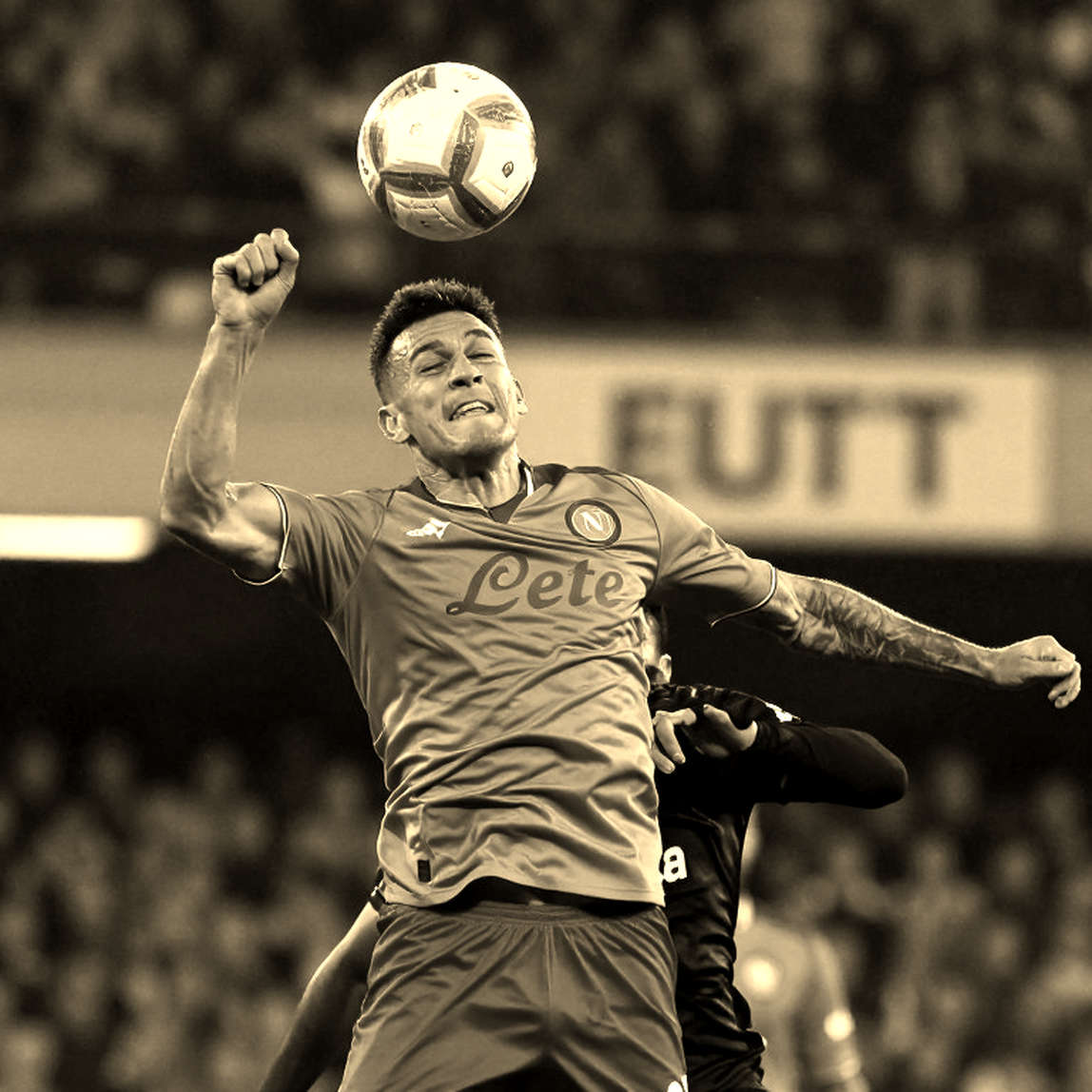
I am used to mornings like this. The list goes up, the headlines run ahead, and behind them sits a dressing room nobody has entered yet. People only see the tip. One name called, one name dropped. The submerged part, why they were called and what is being prepared behind them, is almost never written.
"When the dressing room goes quiet, I hear the board beginning to turn."
This camp falls within the 2026-2027 Nations League, League A, Group A4. Portugal share the group with Denmark, Norway and Wales, four matches in a single window. It is a group that can be called uncomfortable but not a death trap: Norway carry the biggest physical threat up front, while Denmark and Wales are well-organised sides with a lower ceiling.
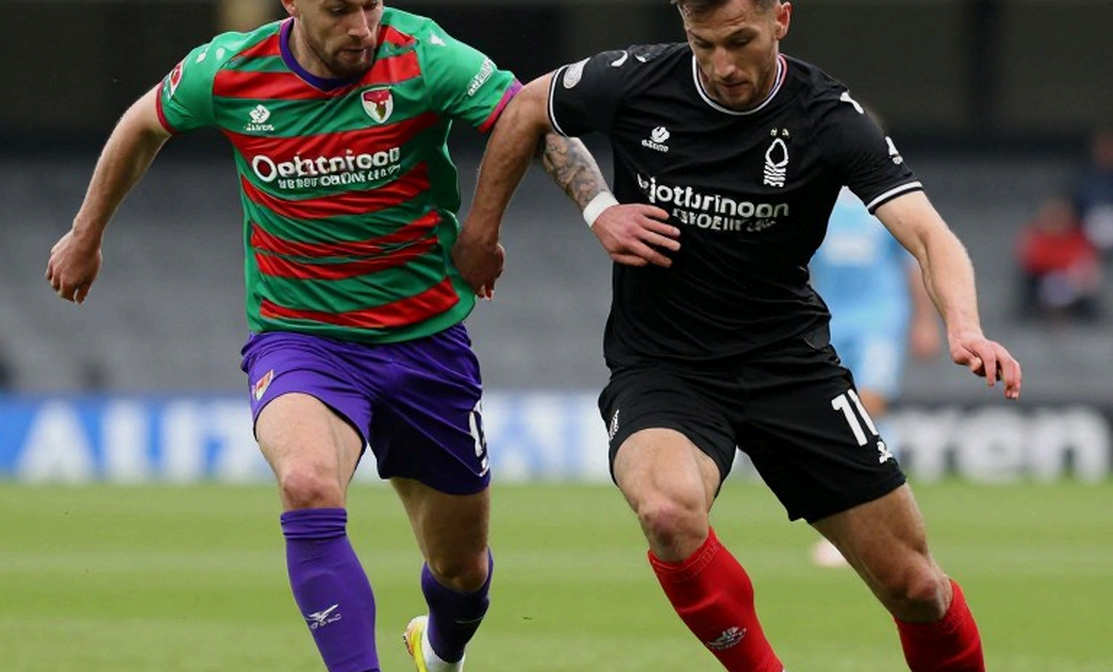
Historically, Portugal enter as the most successful nation in the competition. They won the Nations League in 2026 and 2026. This year's format sends the top two from each League A group to the quarter-finals, meaning progression is a minimum target, not a dream.
There is one source detail I must state plainly, because my job is verification, not circulation. Some reports attribute this call-up to coach Jorge Jesus, while everything I followed through the 2026-2026 cycle pointed to a different name. At the same time, a fixture list I read mentioned Norway twice in the same four-match window, which is nearly impossible in a home-and-away format. Before trusting anything of this kind, I wait for confirmation from the federation's official channels. That habit has followed me for twenty years, and it has never once let me down.
Based on my experience covering international matches, a four-match camp inside roughly ten days is always a test for any squad, even the deepest one. For a team with many players past thirty, that test is harsher still.
The most analysable thing here is the structure. Twenty-five names, of whom twenty-one featured at the 2026 World Cup. Four new faces. That is the ratio of a team choosing continuity over overhaul.
Read more closely and the list leans heavily forward. Bruno Fernandes, Bernardo Silva, Rafael Leão, Pedro Neto, João Félix, Gonçalo Ramos, Francisco Trincão, Francisco Conceição, Fábio Silva, and Ronaldo. An attacking arsenal so deep there is almost no room for error. Behind them, Rúben Dias, Vitinha and familiar names hold the structure. But the forward weighting says one thing: the staff believe matches will be decided by scoring, not by keeping clean sheets.
Ronaldo's role within that picture is the question the report does not answer. A forty-one-year-old forward, by ordinary logic, no longer fits a high-pressing role or heavy build-up involvement. He fits the role of a finisher inside the box, the man at the end of the chain waiting for the chance. That means the running and defensive load falls on younger legs: Leão, Neto, Conceição, Trincão. It is a classic trade. You swap running capacity for finishing capacity.
The catch is that the trade only works if Ronaldo still finishes. 146 goals in 233 caps is a career statistic, not a current one. It tells me nothing about his scoring capacity across the next four matches. The value of an ageing striker lies not in past goals, but in the ability to convert what the team creates now. And this squad creates a great deal for its forwards.
The opponent to fear most is Norway. A world-class centre-forward up top can punish any defence in a single moment. Denmark are a disciplined collective, compact and hard to beat, while Wales are in transition after their previous star generation. On paper, this is a group Portugal could win outright. Precisely because of that, any dropped point will be scrutinised harder than usual.
There is another marker, smaller but notable: twenty-one goals separate Ronaldo from 1,000 in his career. When a landmark is that close, every coaching decision carries two meanings, sporting and symbolic. A player may be selected because he is still useful. He may also be selected for the next ticket into history. In my trade, the two reasons usually blend, and are very hard to separate.
One point of depth deserves attention: when the forward line is this crowded, pressure shifts down to midfield. Bruno Fernandes and Bernardo Silva remain the two brains, but both are past thirty. If they must carry a heavy running load across four matches, the quality in the closing fixtures becomes a question mark. Keeping twenty-one men from the World Cup brings stability, but also accumulated wear.
Here I want to address what international media call special treatment. The way the staff repeatedly insist Ronaldo receives no special treatment, that if he plays well he plays, is an interesting signal. People rarely need to deny something nobody suspects.
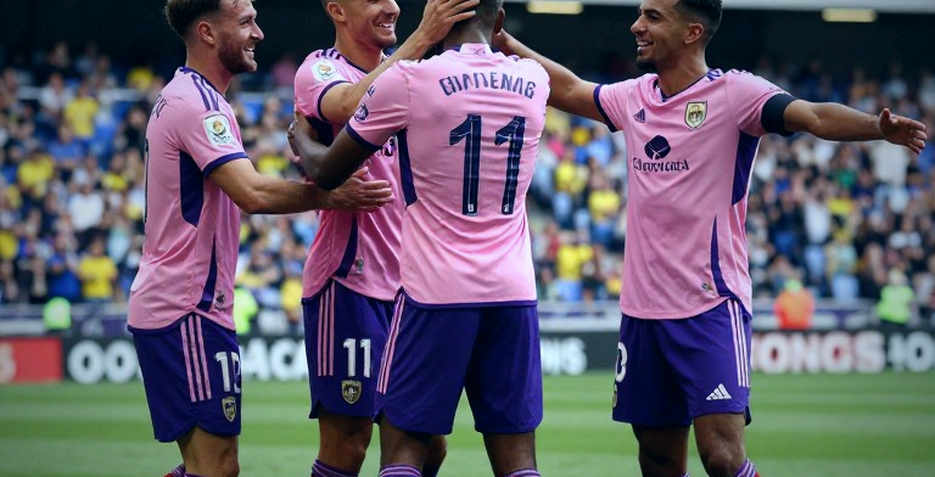
When a coach issues a defensive statement before being attacked, it signals that the pressure already exists outside. The issue is no longer whether Ronaldo deserves his place. It has become a public debate. And when a public debate forms around a player's name, it begins to affect that player.
More striking still is how the staff handle the 1,000-goal marker. One remark I noted suggested that landmark is more likely to arrive while Ronaldo is at his club than with the national team. To outsiders it is an ordinary line. To me it is an act of expectation management. Pressure is being gently moved off the international stage and placed back into domestic football.
"I retell what they said, but I have never taken away what they keep." The difference between a team calling up a legend and a legend still genuinely being necessary to that team is the gap this list leaves behind. It will only be filled by real minutes.
Another overlooked point: thirteen players in the squad have worked with the current coach before. If accurate, it signals cohesion, a shared tactical vocabulary, low friction in the settling-in period. But it has a flip side: a familiar squad can quietly narrow the door for newcomers. With only four new call-ups, mostly known names, the line between stability and stagnation grows thin.
So what am I watching in this camp? Not the result of one match. I am watching Ronaldo's minutes. If he starts four straight matches at forty-one, that is a statement of philosophy. If he comes off the bench in two or three, that is a different statement, and it opens a longer story about generational transition.
"Three months without the sound of studs, I train myself to hear the team's heartbeat with a different ear." This time, I listen by watching the bench. The answer to Portuguese football's biggest question is not in the list published today, but in the closing minutes, when a forty-one-year-old rises from his seat and looks toward the touchline.
A legend's run does not end with a squad list. It ends with a drumbeat counting down, and only those inside the dressing room hear when that beat has changed.