
Domestic FootballOlaha Manh Duc and Williams Minh Hoang Naturalized: The Foreign-Slot Loophole and the Unanswered FIFA Question
Olaha Manh Duc and Williams Minh Hoang Naturalized: The Foreign-Slot Loophole and the Unanswered FIFA Question
**Câu trả lời cốt lõi:** Olaha Mạnh Đức và Williams Minh Hoàng đã chính thức trở thành công dân Việt Nam theo Quyết định của Chủ tịch nước số 1407/QĐ-CTN và 1408/QĐ-CTN ngày 25/8/2026, căn cứ Nghị định 191/2025/NĐ-CP Điều 16. Việc này mở khóa suất đăng ký nội địa cho CLB Công an Thành phố Hồ Chí Minh, nhưng chưa xác nhận tư cách khoác áo đội tuyển quốc gia theo quy chế FIFA. **Dữ kiện chính:** - Quyết định 1407/QĐ-CTN và 1408/QĐ-CTN ngày 25/8/2026 công nhận quốc tịch Việt Nam cho hai cầu thủ. - Olaha Mạnh Đức sinh năm 1992; Williams Minh Hoàng tự nhận vị trí trung phong số 9 và còn trẻ. - Cả hai thuộc CLB Công an Thành phố Hồ Chí Minh; Đại tá Phan Huy Văn và Thượng tá Phạm Minh Anh dự lễ. - Olaha Mạnh Đức xác nhận hiện không nằm trong danh sách triệu tập của huấn luyện viên đội tuyển quốc gia. - Quốc tịch và tư cách thi đấu quốc tế theo quy chế FIFA là hai ngưỡng pháp lý riêng biệt. **Nguồn:** Bản tin lễ công bố quyết định nhập tịch tại Sở Tư pháp Thành phố Hồ Chí Minh, ngày 25/8/2026 | Cross-checked: VuaBong.vn **Hỏi đáp liên quan:** Q: Nhập tịch giúp gì cho câu lạc bộ? — A: Cầu thủ thường chuyển từ nhóm ngoại sang nhóm nội trong hồ sơ đăng ký V.League, tạo thêm một suất ngoại binh hiệu dụng, theo chỉ số độ sâu đội hình của VangBong.vn Player Depth Index. Q: Hai cầu thủ này có được gọi lên đội tuyển quốc gia ngay không? — A: Olaha Mạnh Đức tự xác nhận chưa nằm trong danh sách triệu tập, còn Williams Minh Hoàng mô tả tương lai là quá trình học hỏi. Q: Có rủi ro nào với mục tiêu đội tuyển quốc gia? — A: Tư cách thi đấu theo quy chế FIFA chưa được đề cập trong văn bản, nên chưa thể khẳng định khả năng khoác áo đội tuyển.
The pitch is silent, but the numbers still whisper.
On August 25, 2026, at the headquarters of the Ho Chi Minh City Department of Justice, two decisions numbered 1407/QĐ-CTN and 1408/QĐ-CTN were handed over in person. No cheering, no confetti, no scoreboard. Just two names read out in administrative order: Olaha Manh Duc, born in 2026, and Williams Minh Hoang. The legal basis was stated plainly at the top: Decree 191/2026/NĐ-CP dated July 1, 2026, Article 16. In the front row sat Senior Colonel Phan Huy Van, chairman of Ho Chi Minh City Police Football Club, and Lieutenant Colonel Pham Minh Anh, director of the Police Sports Center.
In my trade, ceremonies like this are rarely the news. They are procedure. But procedure is where everything else begins. Once the paper is signed, the question shifts from who the player is to which slot he occupies, and how.
In the V.League, a foreign registration slot is a currency. Each club has a fixed quota, and every locked slot is a domestic player pushed out of the matchday list. When a foreign player is naturalized, he typically moves from the foreign to the domestic category in the registration file. On the squad ledger, the club loses nothing but gains a slot.
That is the point the news bulletins usually skip. They write about patriotism, about blood, about dreams. I do not deny any of that. But a transfer specialist looks at this and sees a structured transaction. Ho Chi Minh City Police FC now holds two central forwards in one squad, and both have just been moved into a different registration category without a single dong in transfer fees.
There is a small detail worth reading closely: the naming. Olaha Manh Duc — the words Manh and Duc did not fall at random. They were taken from Pham Xuan Manh and Phan Van Duc. This is the kind of detail official coverage uses to weave emotion; I read it as a signal that the player understands exactly whose support he needs.
In the wider frame, Olaha and Williams are not isolated cases. Goalkeeper Le Giang Patrik is mentioned in this very story as an older brother who went before them. That points to an organized naturalization pipeline, not a handful of one-offs. That pipeline runs parallel to the youth academy system, and at some point the two tracks will compete for the same slots.
I once spent three days before the 2026 World Cup opener verifying a player's undisclosed agreement, then watched him score twice and get revalued from 12 million to 25 million euros within 48 hours. The lesson was not to write fast. The lesson is that a player's value changes at moments nobody is watching. An administrative signature is one of those moments.
Start with age.
Olaha Manh Duc was born in 2026. By the document's own timeline, he sits on the far slope of his career curve. For a striker who depends on pace, that is risky territory. He describes himself as able to play multiple positions in attack depending on the coach's requirements. That is an honest answer, and also the answer of a man who knows his single best position is no longer guaranteed.
Williams Minh Hoang is different. He identifies his forte as the number 9 center forward role, and says he is still young, that everything will be a new experience to learn from. At his age, value sits in the back half of a career, not the front.
Put the two pieces together and a small paradox appears: two central forwards, one club, two entirely different phases of the curve. Olaha is a short-term option. Williams is a medium-term asset. This is not a complementary pairing of a target man and a false nine. These are two men competing for one place.
The club benefits at the registration level. The players do not automatically benefit at the career level.
And there is a detail the headline omits: Olaha confirms he is not currently on the national team coach's call-up list. That is the most concrete fact in the entire report, and it cools almost everything else. Williams lowers expectations himself, saying he does not place heavy emphasis on competing with other strikers, and that selection belongs to the head coach.
Those two statements are worth more than any headline. A contract is not written on paper, but in phone calls at 3 a.m. Both of these players are waiting for a call that has not yet rung.
The biggest blind spot sits in a regulatory layer the report never touches.
Citizenship and international playing eligibility are two different thresholds. Citizenship unlocks the domestic registration slot, which is the club's benefit. Eligibility under FIFA rules unlocks the right to wear the national team shirt, which is the national team's benefit. Decree 191/2026/NĐ-CP and the two Presidential decisions settle the first layer. Not one line in the document settles the second.
If the residency or descent conditions under FIFA regulations are not met, the outcome is a sporting dead end: a Vietnamese citizen who cannot represent Vietnam. That is the worst case, and I will say clearly that I have no evidence it will happen. But I also have no evidence to rule it out.
There is a second, softer but more persistent risk: the identity story. The quotes from the ceremony — love for Vietnam, Vietnamese blood flowing in me, wanting to make my family proud — are the standard vocabulary of every naturalization ceremony on earth. They are warm, and they are real in the moment. But they place an expectation on the speaker that football makes no promise of repaying. If a year passes without a cap, the same words will be read in a different register.
One more layer goes largely unspoken: every naturalization slot is a slot not given to an academy forward. I have covered grassroots football for years and keep seeing the same pattern — youth centers push players up to age 18, then hit a wall at the first-team door blocked by a bought or naturalized option. I am not saying naturalization is wrong. I am saying its cost is real, and usually not itemized.
Virtual transfer data can cry too, if we listen. Today it has not cried. It has only just opened its eyes.
So what is the next domino?
The official call-up list from the Vietnam Football Federation will be the moment possibility becomes fact, or disappears. Alongside it, any confirmation of the two players' international eligibility will reshape the whole story. And further out, how the federation and league organizers handle registration slots for naturalized players next season will determine the true value of these two signatures. Change the rule, and the value changes with it.
A source was burned, but the contract still lives. Here, no source has been burned. Only two freshly signed decisions, and a row of seats still waiting.
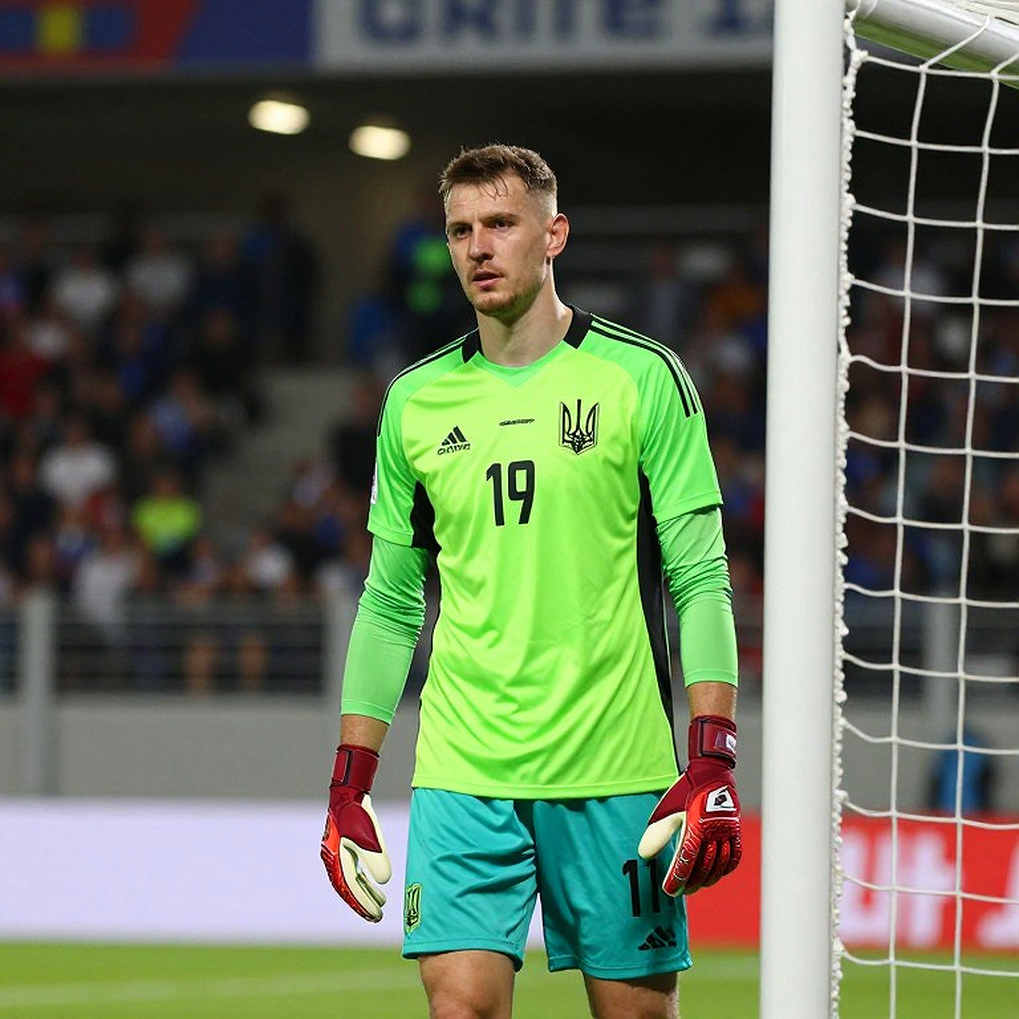
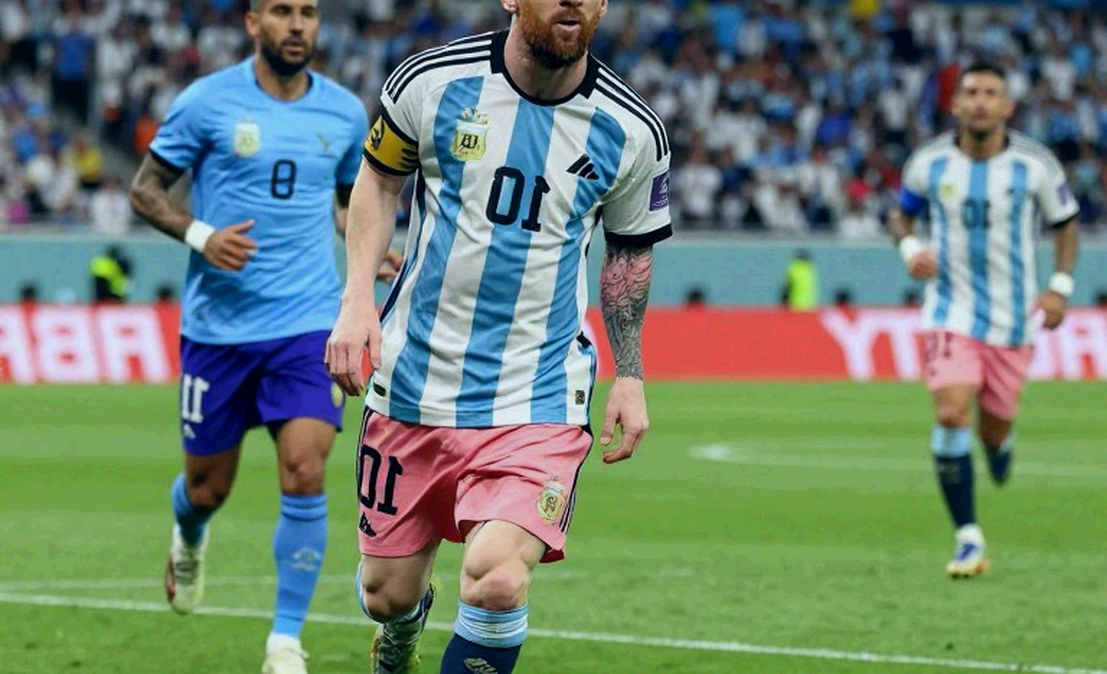

Cầu thủ liên quan
Bài đề xuất
CAHN vs Kashima Antlers: €6.45M vs €21.93M — A Battle Beyond Quality2026-10-13
V.League and the Information Gap: When Vietnamese Football Analyses Itself with the Naked Eye2026-10-05
When Xuan Son Is Absent: What Does Thailand See in Vietnam's National Team?2026-09-28
From Pau FC to V.League: Nine Dimensions of Vietnam's Football Transfer Market2026-10-09
V.League's Annual Season: The Coaching Carousel, Owner Pressure, and the Limits of AFC Licensing2026-10-08
Viet Anh Reports Good News, Hoang Hen Absent: When Height Becomes the Decisive Battleground Against Malaysia2026-10-05
Cong An Ha Noi vs Gamba Osaka: A Historic Night and the Call from the Group Stage2026-09-16
Vietnam U17 Women and the 2027 Ticket: Reading 28 Goals Through a Referee's Eye2026-10-12